
Restorative Dentistry
Before You Choose: Dental Crown vs Filling
by Dr. Aja
November 13, 2026

If you are trying to decide between a dental crown vs filling, the first thing to look at is how much healthy tooth is still there. That is the question this post answers, in plain terms, so you can understand why two teeth with similar-looking damage may be restored in different ways.
At San Francisco Aesthetic Dentistry, Dr. Aja Hall talks through those differences during an exam, after looking at the size of the defect, the remaining enamel and dentin, and whether the tooth needs extra support. If you want to see how the practice approaches crowns, see our dental crowns page.
The practical question is rarely about the label. It is about whether a restoration can replace a small area of damage or whether the tooth needs to be covered more fully to handle daily biting forces.
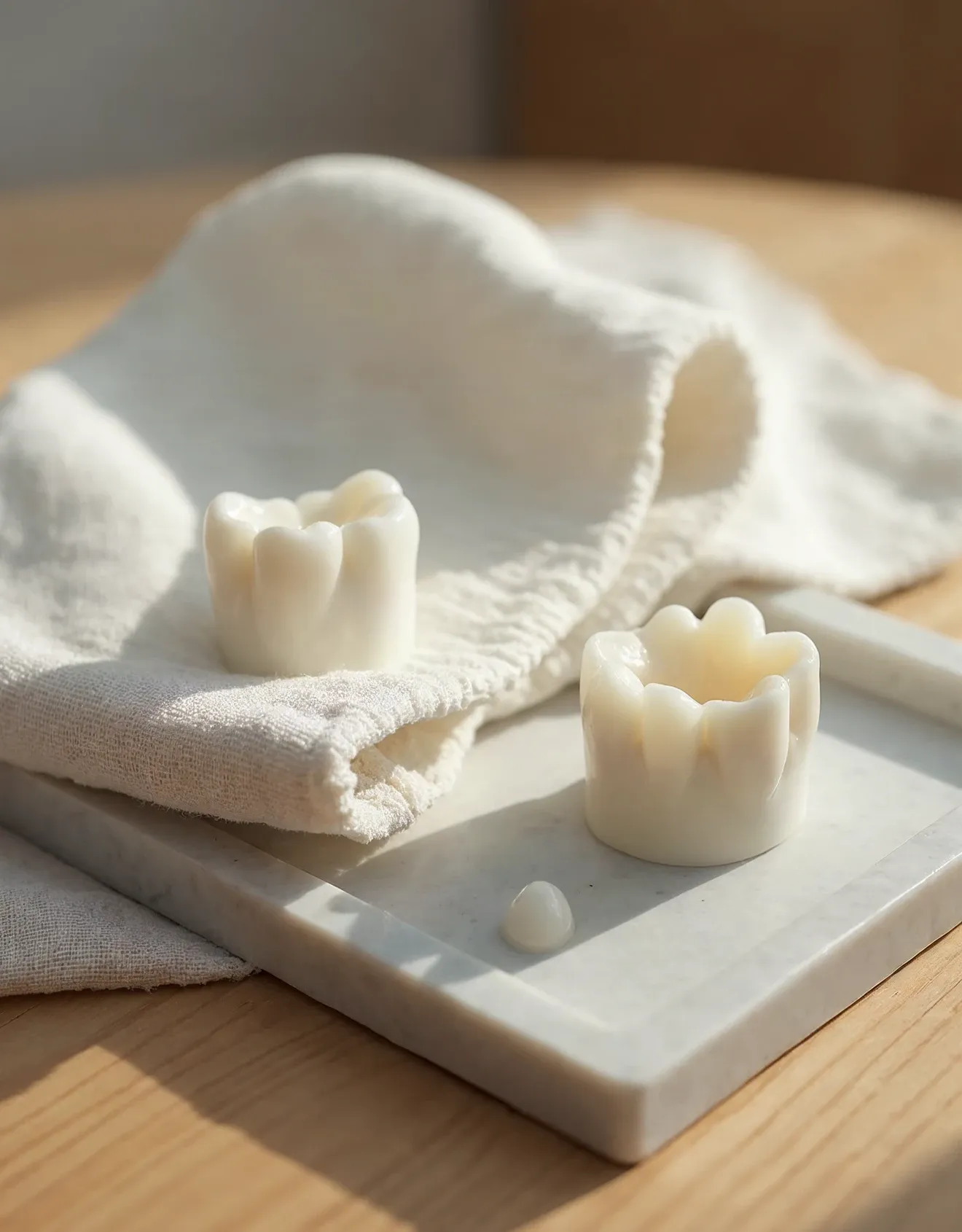
When a filling is usually enough
A filling is generally used when decay, a small fracture, or an old restoration has left a limited defect that can be cleaned out and rebuilt without taking away much more tooth. The surrounding tooth walls still need to be strong enough to hold the material in place and support normal chewing.
This is often the kind of repair used when the problem is confined to one area and the rest of the tooth can keep doing its job. The exact material, such as composite or another filling option, depends on the location of the tooth and the shape of the cavity, which is why the exam matters so much.
During an exam, Dr. Aja Hall looks at the size of the decay or fracture, checks how much healthy structure remains, and reviews how the tooth fits with the bite. The team then explains the repair options clearly, so you know what the visit is addressing before any work begins.
The real difference in dental crown vs filling
The clearest way to think about dental crown vs filling is this, a filling repairs part of a tooth, while a crown covers the visible tooth more completely. That difference matters when damage is minor versus when the tooth has lost enough structure that a partial repair may leave it vulnerable.
According to the American Dental Association, crowns are used to restore teeth that are broken or weakened, while fillings are used to repair teeth damaged by decay in a more limited area. You can read the ADA’s overview of dental crowns and its page on filling options for a general public explanation.
In everyday terms, a filling tends to suit a tooth that still has most of its strength, while a crown is more often considered when the tooth has lost a larger portion of its outer structure. That is especially true if the tooth has already had a large filling, because a very large filling can leave less natural wall to hold up under chewing over time.
What dentists look at before recommending one or the other
A dentist will usually base the decision on the same basic points, no matter which tooth is involved. The exam is about the amount of remaining healthy tooth, the location of the damage, and whether the tooth is under heavier pressure in the bite.
The tooth’s history also matters. A tooth with repeated repairs, a crack that reaches into the biting surface, or a fracture that weakens several sides may call for a crown because the tooth needs more coverage than a filling can provide.
- Size of the cavity or fracture: small areas are more likely to be repaired with a filling.
- Amount of intact tooth: less remaining structure often points toward a crown.
- Location in the mouth: back teeth take stronger chewing forces than front teeth.
- Old restorations: a large or failing filling can change the repair plan.
- Cracks and wear: teeth with broader damage may need more full coverage.
That is why a patient can have two teeth with similar symptoms and still leave with different treatment plans. The crown versus filling decision is less about one being better in the abstract and more about which restoration matches the tooth that is actually in front of the doctor.
When a crown does more than cover decay
A crown is not only about cosmetic coverage. In restorative dentistry, it is often chosen when a tooth needs structural support after major decay, a large fracture, or a root canal treatment that has left the tooth more brittle than before.
For readers who want to understand the sequence of crown care, our earlier blog post on what dental crowns do and when you need one goes into the situations that commonly lead to crown treatment. The broader service page for dental filling in SF is also helpful if you want to compare how a filling visit is described at the practice level.
There are also cases where a crown is part of a larger repair plan, such as after a root canal or after a tooth has been shaped to remove weakened edges. In those cases, the crown is serving as the outer shell that helps the tooth keep functioning in a stable way.
What this choice means for your next appointment
If you are trying to picture how the decision is made in real life, it usually starts with examining the tooth from the biting surface, the side walls, and any visible cracks or soft spots. X-rays often help show how deep the decay goes and whether the inner structure is affected.
The exam is where those details are put together. Dr. Aja Hall looks at the tooth in the context of your bite, your existing restorations, and the amount of healthy structure that can still do the work, then discusses the repair that fits that picture.
If you want to speak with the team, use our contact page. For readers comparing materials and restoration types more broadly, our sister practice, One Dental Livermore, also explains crown care from a practical perspective.
The next post in this series looks at why and when a tooth needs a crown after root canal treatment.
Quick Comparison
A simple side-by-side look at the points that usually separate a filling from a crown.
Filling
Repairs a smaller area of decay or damage
Crown
Covers most or all of the visible tooth
Best fit for
Teeth with enough healthy structure to support the repair
More likely when
The tooth is heavily worn, cracked, or has a large old filling
What the exam checks
How much strong tooth remains and how the bite loads the tooth
Main goal
Restore function in a way that matches the tooth’s condition

“The right restoration is the one that matches how much healthy tooth is still there.”
FAQ
Still have a Question? Contact Us
Sometimes, if the crack is limited and the rest of the tooth is strong enough to hold the repair. If the crack extends through more of the tooth, a crown may be considered because it gives more coverage.
A large cavity can leave too little healthy tooth wall for a filling to support safely. In that situation, full coverage may be discussed because the tooth needs more structural support.
Not always, but crowns are more often used when a tooth has lost a significant amount of structure or needs extra protection. The exact reason depends on the exam and the tooth’s history.
Back teeth take stronger chewing forces, so larger repairs there may lean toward a crown. That said, front teeth can also need crowns if the damage is extensive enough.
Often the answer becomes clear after the exam and X-rays, though complex teeth may need a more detailed discussion. The decision is based on what the tooth shows in the chair, not on a fixed rule.
Conclusion
The dental crown vs filling decision comes down to structure, not style. A filling rebuilds a smaller area, while a crown is used when the tooth needs broader support because too much healthy material has already been lost.
That is why the same visible problem can lead to different solutions in different mouths. Dr. Aja Hall and the team at San Francisco Aesthetic Dentistry use the exam, imaging, and bite assessment to match the repair to the tooth in front of them.
If you are ready to discuss your options, you can reach the practice through the contact page.
More in this series
Share This:
Disclaimer
This media/content or any other on this website does not prescribe, recommend, or prevent any treatment or procedure. Therefore, we highly recommend that you get the advice of a qualified dentist or other medical practitioners regarding your specific dental condition.