
Dental Implant
Common Myths About Dental Implants Explained
by Dr. Aja
September 3, 2026
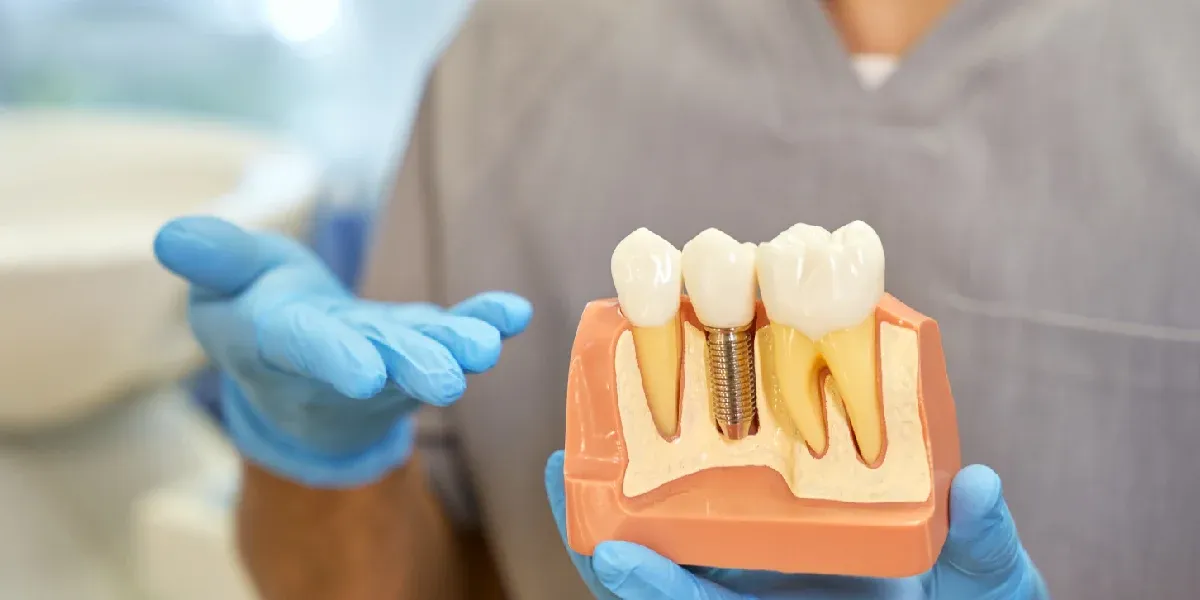
Dental implants have become a widely recognized option for replacing missing teeth, yet misconceptions can make patients hesitant to explore them. Some people assume implants always involve a difficult procedure, look artificial, require complicated maintenance, or are only appropriate for certain age groups. These beliefs can create unnecessary worry and prevent patients from asking useful questions about their tooth replacement options. Understanding the facts can make the decision-making process clearer and less stressful.
For people researching Dental Implants in San Francisco, reliable information is especially important because every patient's oral health and treatment needs are different. Dental implants are designed to replace missing tooth roots and support restorations such as crowns, bridges, or implant-supported dentures. Their suitability depends on factors including gum health, jawbone support, bite forces, medical history, and personal goals. Separating common myths from evidence-based information can help patients have more productive conversations with their san francisco dentist.

Why Dental Implant Myths Can Cause Confusion
Sans Francisco dental implants information is widely available online, but understanding which information applies to your situation can be difficult. Patients may encounter conflicting opinions about pain, healing time, appearance, cost, age, or who qualifies for treatment. While online resources can provide a useful starting point, they often present general information rather than details specific to an individual patient. Factors such as gum health, available bone, the location of missing teeth, and overall oral health can influence the recommended approach and expected treatment experience.
Personal stories can also contribute to confusion because every patient’s implant journey can be different. Someone may describe a quick recovery, while another person may have required additional procedures or a longer healing period. Neither experience necessarily predicts what another patient will experience. Similarly, outdated information may not reflect current treatment planning or available techniques. Oversimplified claims can make implants seem either easier or more difficult than they actually are, which may lead patients to develop unrealistic expectations before speaking with a dental professional.
A professional evaluation helps place general information into the context of your individual dental condition. An implant assessment can consider the health of your gums, supporting bone, existing teeth, bite, and specific tooth-replacement needs before treatment options are discussed. This individualized approach can help clarify which information is relevant and what additional evaluation may be necessary. Rather than allowing online myths or another person’s experience to guide your decision, discussing your concerns with a qualified dental professional can help you understand the potential benefits, limitations, and next steps.
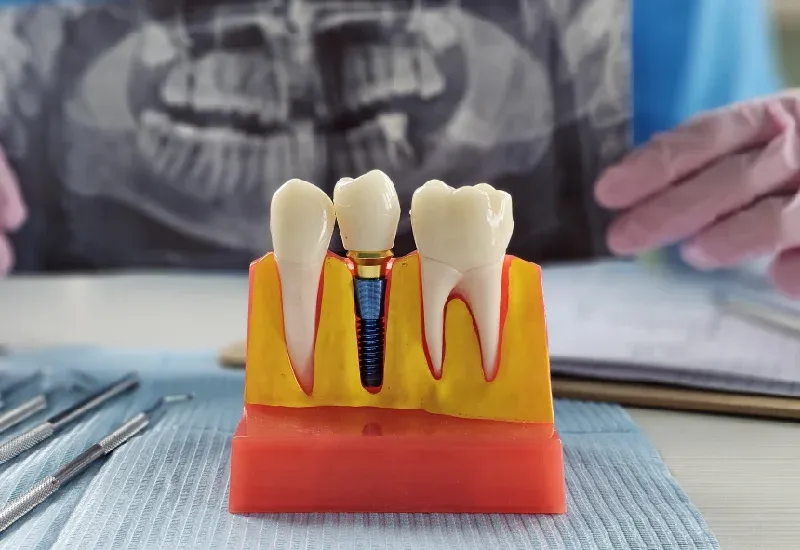
Myth: Dental Implants Always Look Artificial
One common misconception is that an implant replacement will be obvious whenever you smile. In reality, the visible portion of a dental implant is usually a customized restoration designed around the surrounding teeth. The dentist considers factors such as tooth shape, size, shade, spacing, gumline, and bite when planning the final result. The implant post itself remains below the gumline, while a crown, bridge, or denture provides the visible tooth replacement.
Important factors that influence a natural-looking result include:
- Crown shape and proportion compared with nearby teeth.
- Shade selection that complements the surrounding smile.
- Gum health and the appearance of the gumline.
- Proper spacing and alignment of the restoration.
- Bite planning for comfortable everyday function.
Myth: Implants Require Complicated Daily Maintenance
Another common myth is that dental implants require a completely different and difficult hygiene routine. While implants need consistent care, daily maintenance is generally centered on familiar habits: brushing, cleaning between teeth, keeping the gumline clean, and attending professional dental visits. An implant cannot develop a cavity, but plaque can still collect around it and affect the surrounding gum and bone tissues. This makes good oral hygiene essential.
Maintenance can vary depending on the type of restoration. Someone with a single implant crown may have different cleaning needs from a patient with an implant-supported bridge or denture. Patients should also monitor the area for persistent bleeding, swelling, tenderness, changes in their bite, or unusual movement. These changes do not automatically indicate implant failure, but they should be evaluated. Long-term implant care is therefore less about complicated routines and more about consistent hygiene, professional monitoring, and protecting the restoration from unnecessary pressure.
Myths: Implant Candidacy And Longevity
Another misconception is that dental implants are only for older adults. Implant candidacy is not determined by age alone. Dentists consider whether growth is complete, along with gum health, jawbone support, medical history, oral hygiene, and other individual factors. Adults may lose teeth for many reasons, including injury, decay, gum problems, or previous extractions. The reason for tooth loss and the condition of the mouth are therefore more useful considerations than simply asking whether someone is “too young” or “too old.”
Patients may also hear that implants either last forever or frequently fail. Neither statement accurately describes every case. Dental implants are intended as a long-term tooth replacement option, but their longevity depends on multiple factors. Gum health, home hygiene, smoking, bite pressure, grinding, professional maintenance, and overall health can influence outcomes. The restoration attached to an implant may also experience normal wear over time. Regular monitoring allows your dentist to evaluate both the implant and the visible restoration.
Dental Implant Myths Versus Facts
| Common Myth | What Patients Should Know |
|---|---|
| Implants always look artificial | Implant restorations are customized to complement surrounding teeth and the smile. |
| Implant care is complicated | Daily care generally involves brushing, between-tooth cleaning, and professional maintenance. |
| Bone loss always prevents implants | Bone support must be evaluated individually; reduced bone does not automatically rule out treatment. |
| Implants are only for older adults | Candidacy depends on oral health, growth, bone support, and other individual factors. |
| Implants never need maintenance | Implants and surrounding tissues require ongoing hygiene and professional monitoring. |

“Dental implants are designed to blend in with other teeth and are an option for people who have lost teeth.”
FAQ
Still have a Question? Contact Us
No. Adult candidacy depends more on oral health, bone support, growth, and individual health factors than age alone.
Conclusion
Dental implant myths can make tooth replacement seem more complicated or uncertain than it really is. Implants are not automatically suitable for everyone, nor do they guarantee identical results for every patient. Their appearance, longevity, and success depend on thoughtful planning, healthy supporting tissues, consistent home care, and regular professional monitoring. Learning the facts allows patients to replace assumptions with informed questions and realistic expectations when discussing their options.
Contact your Dentist in San Francisco, Dr. Aja Hall, at San Francisco Aesthetic Dentistry today to learn more about Dental Implants in San Francisco and common dental implant myths.
Resource
Share This:
Disclaimer
This media/content or any other on this website does not prescribe, recommend, or prevent any treatment or procedure. Therefore, we highly recommend that you get the advice of a qualified dentist or other medical practitioners regarding your specific dental condition.