
Signs You May Be Ready for Dental Implants
Dr. Aja
|May 28, 2026
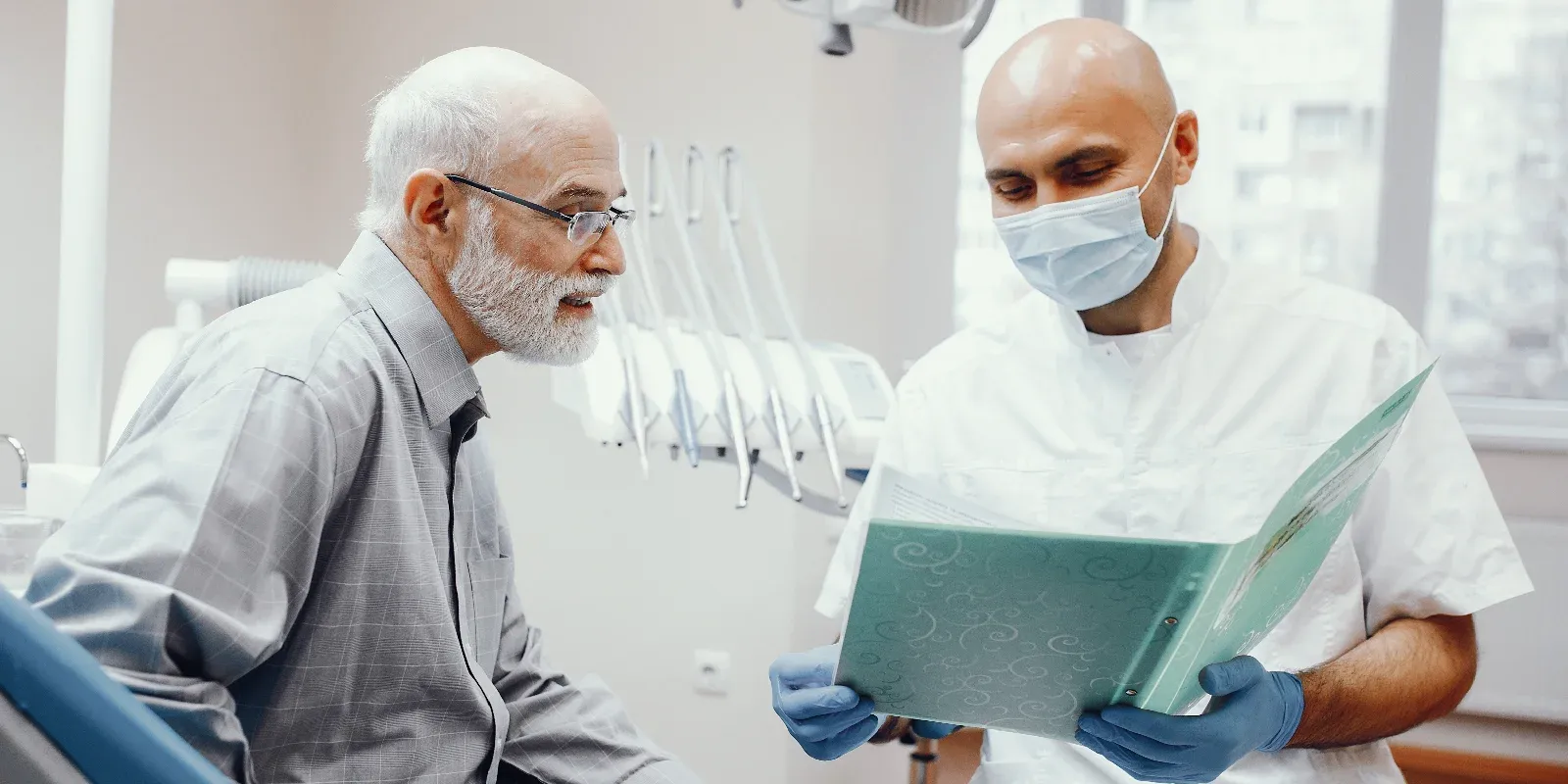
San Francisco Dental Implants are often considered by patients who are tired of living with missing teeth, loose dentures, or a smile that no longer feels complete. Dental implants are designed to replace missing tooth roots and support natural-looking restorations, such as crowns, bridges, or implant-supported dentures. For many patients, they can help restore chewing comfort, speech clarity, facial support, and everyday confidence.
At San Francisco Aesthetic Dentistry, Dr. Aja Hall and the dental team help patients understand whether dental implants may be a suitable option through a careful consultation and oral health evaluation. This blog explains common signs that may show you are ready to discuss implants, what your dentist may review, and why timing matters when replacing missing teeth. It is educational, not a diagnosis, and your dentist can explain what is appropriate after an exam.
When Missing Teeth Start Affecting Daily Life
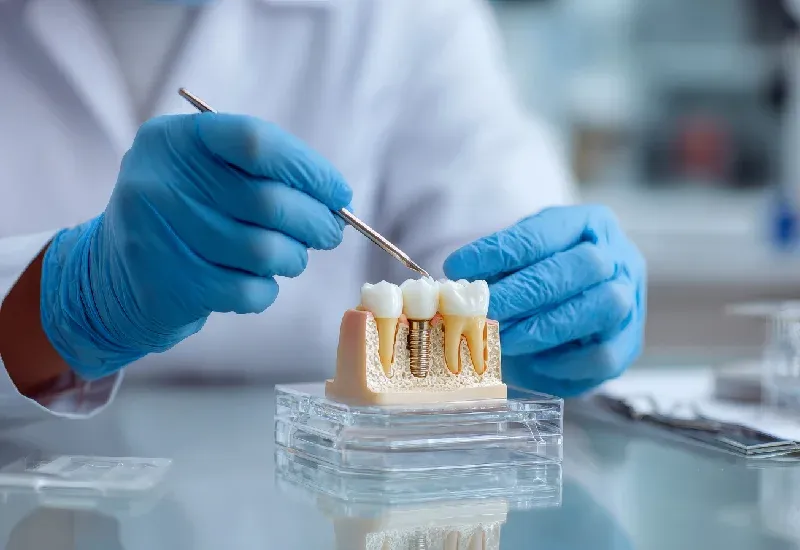
Missing teeth can affect more than the way your smile looks. Many patients first notice small changes while eating, speaking, or smiling in public. Over time, these changes may become more frustrating, especially if chewing feels uneven or certain foods become harder to enjoy comfortably.
You may be ready to discuss dental implants if tooth loss is affecting your daily routine, comfort, or confidence. A missing tooth can also cause nearby teeth to shift, creating bite changes that may make oral hygiene more difficult. Addressing tooth loss early can help protect both function and appearance.
Dental implants may be considered when patients want a fixed replacement option that feels more stable than removable appliances. The goal is not only to fill a gap but to support a healthier bite, natural-looking smile, and long-term comfort with a solution planned around your specific needs.
Common Signs You May Be Ready
Many patients wait until missing teeth create daily frustration before scheduling a consultation. However, certain signs may suggest it is time to ask your dentist about implant options.
Common signs may include:
- You have one or more missing teeth.
- Your dentures feel loose or uncomfortable.
- You avoid certain foods because chewing feels difficult.
- You feel self-conscious when smiling or speaking.
- Nearby teeth appear to be shifting after tooth loss.
These concerns can affect confidence, nutrition, speech, and overall quality of life. Dental implants are designed to create a strong foundation for replacement teeth, helping patients regain a more secure and natural-feeling smile when they are good candidates.
Why Dentures May No Longer Feel Enough
Some patients begin with removable dentures or partial dentures and later realize they want more stability. Dentures can be helpful for replacing missing teeth, but they may not always feel secure during eating, speaking, or laughing. Over time, changes in gum and bone support can also affect how dentures fit. Patients may notice slipping, rubbing, difficulty chewing, or the need for adjustments. Dental implants may help support replacement teeth more firmly by anchoring them to the jawbone. For patients who feel limited by removable appliances, an implant consultation can help explain whether implant-supported dentures, bridges, or single implants may offer a better long-term fit.
Implant Readiness
Being ready for dental implants does not only mean wanting a better smile. Your dentist also needs to check whether your mouth is healthy enough to support treatment. This may include reviewing gum health, jawbone support, bite alignment, medical history, and daily oral hygiene habits. Some patients may need additional care before implant placement, such as gum treatment, extractions, or bone grafting. This does not automatically mean implants are not possible. It simply means your dentist may need to create a step-by-step plan to support comfort, healing, and long-term stability.
“Being ready for dental implants is not only about replacing teeth. It is about restoring comfort, stability, confidence, and a smile that supports everyday life.”
What Your Dentist Reviews Before Treatment
| What Your Dentist Reviews | Why It Matters |
|---|---|
| Gum health | Healthy gums help support healing and long-term implant stability. |
| Jawbone support | The implant needs enough bone structure to create a stable foundation. |
| Missing or damaged teeth | Helps determine whether a single implant, bridge, or denture option may fit. |
| Bite alignment | A balanced bite helps protect the implant restoration from excess pressure. |
| Medical history and habits | Health conditions, smoking, grinding, and oral care routines can affect planning. |
FAQ
Still have a Question? Contact Us
You may consider implants if missing teeth affect chewing, speaking, smile confidence, or denture stability.
Conclusion
Dental implants are designed to replace missing tooth roots and support natural-looking restorations that help improve chewing, speech, facial support, and smile confidence. They may be used for one tooth, several teeth, or a full-mouth solution, but the best option depends on your gums, bone structure, bite, health history, and goals. A professional evaluation is the safest way to understand what is possible.
Contact your Dentist today in San Francisco, Dr. Aja Hall, at San Francisco Aesthetic Dentistry, to learn more about What Are Dental Implants and How Do They Work?
Resource
7 Types of Dentures Explained: Find the Best Denture Option for You
Share This:
Disclaimer
This media/content or any other on this website does not prescribe, recommend, or prevent any treatment or procedure. Therefore, we highly recommend that you get the advice of a qualified dentist or other medical practitioners regarding your specific dental condition.