
Single Tooth Implants for Replacing One Missing Tooth
Dr. Aja
|July 24, 2026
San Francisco Dental Implants are often considered by patients who have one missing tooth and want a secure, natural-looking replacement. Even one missing tooth can affect daily comfort, chewing ability, speech, and smile confidence. A single tooth implant is designed to replace the missing tooth root with a small implant post and support a custom crown that blends with the surrounding teeth.
At San Francisco Aesthetic Dentistry, Dr. Aja Hall and the dental team help patients understand whether a single tooth implant may be the right choice for their smile. This treatment is planned around gum health, jawbone support, bite balance, and cosmetic goals. The purpose is not only to close the visible gap, but also to help restore function, protect nearby teeth, and create a smile that feels complete again.
Importance of Dental Implant
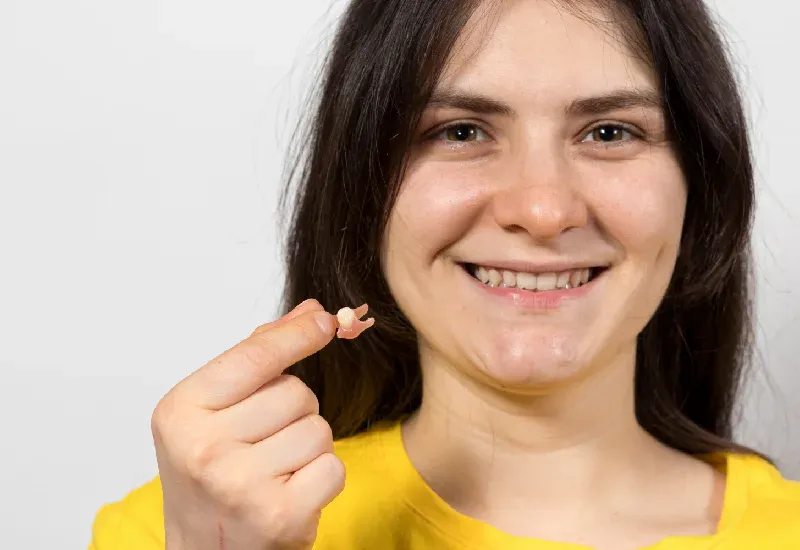
One missing tooth may seem easy to ignore, especially if it is not visible when you smile. However, the gap can affect more than appearance. Nearby teeth may gradually shift, food may collect in the space, and chewing pressure may become uneven. Over time, these changes can affect bite balance, oral hygiene, speech comfort, and daily confidence.
How A Single Tooth Implant Works
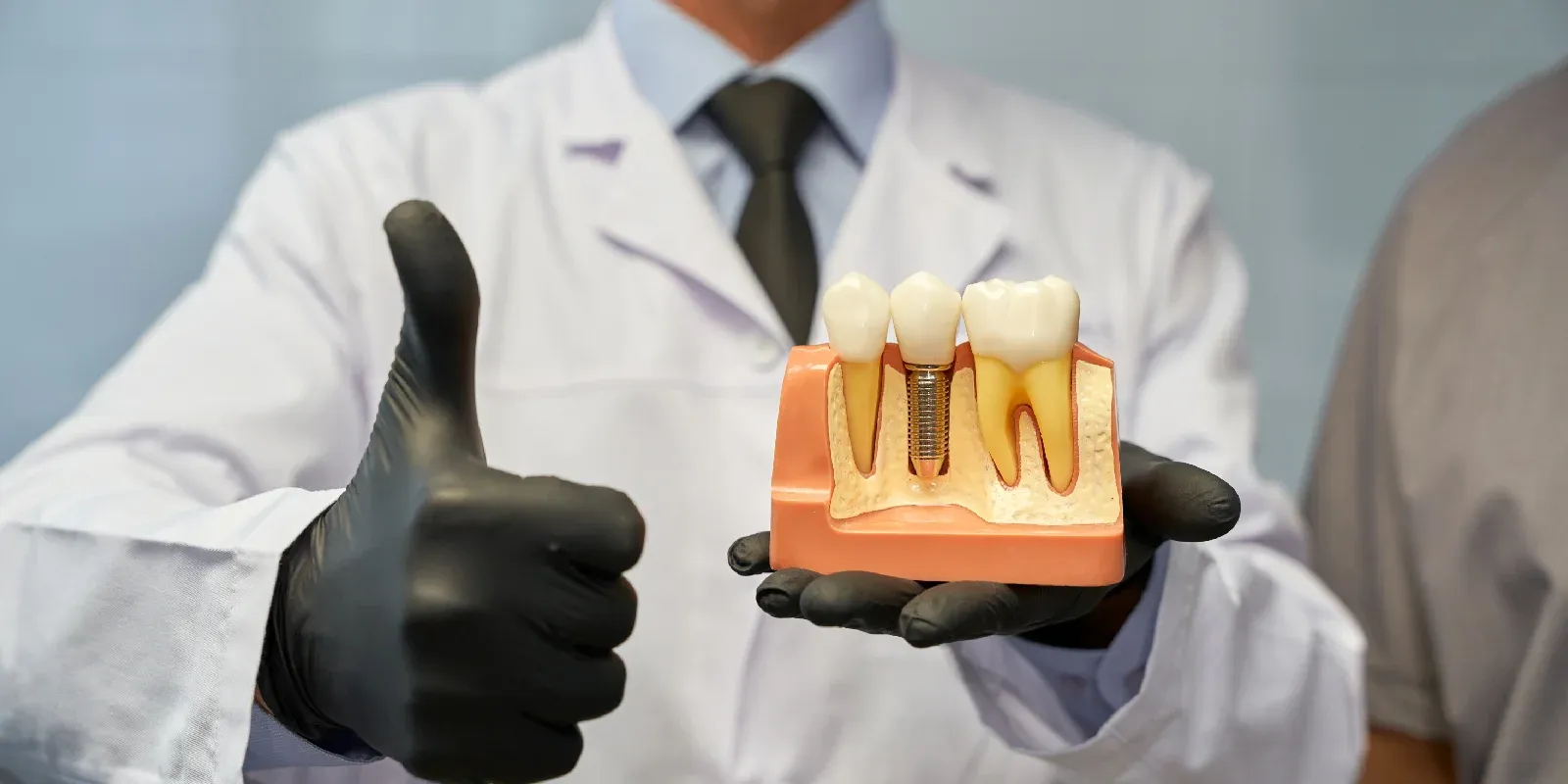
A single tooth implant usually includes three main parts: the implant post, the abutment, and the final crown. The implant post is placed in the jawbone and works like an artificial tooth root. After healing, an abutment is attached to connect the post with the crown. The final crown is customized to match nearby teeth in shape, size, and shade.
Key parts of a single tooth implant include:
- Implant post: Replaces the missing tooth root below the gumline.
- Abutment: Connects the implant post to the visible crown.
- Final crown: Restores the look and function of the missing tooth.
- Jawbone support: Helps create a stable foundation for the restoration.
- Bite planning: Helps the new crown work comfortably with nearby teeth.
Benefits Of Replacing One Tooth
Replacing one missing tooth with an implant may help restore chewing comfort, smile appearance, and bite support without depending on neighboring teeth for support. Unlike a traditional bridge, a single tooth implant does not usually require reshaping healthy adjacent teeth. This can be helpful for patients who want a more independent replacement option. The implant post also helps support the jawbone in the missing tooth area because it replaces the lost root structure. For patients who feel embarrassed by a gap, avoid smiling in photos, or feel frustrated by food getting trapped, a single implant can provide a more secure and natural-looking solution.
Who May Be A Candidate
A single tooth implant may be considered for patients who are missing one tooth due to injury, decay, gum disease, or extraction. Good candidates often have healthy gums, enough jawbone support, and a commitment to daily oral hygiene. Your dentist will also review your bite, health history, and the condition of nearby teeth before recommending treatment. If the missing tooth has been gone for a long time, additional planning may be needed to evaluate bone support.
Not every patient can begin implant placement right away. Some patients may need gum care, bone grafting, extraction site healing, or other preparation before treatment can move forward. This does not automatically mean an implant is not possible. It simply means your dentist may need to create a step-by-step plan that supports healing, stability, and long-term results.
“The American Academy of Periodontology explains that one implant and crown can replace a single missing tooth and its root.”
Single Tooth Implant Planning Checklist
| What Your Dentist Reviews | Why It Matters |
|---|---|
| Missing tooth location | Helps decide crown shape, bite needs, and cosmetic planning. |
| Gum health | Healthy gums help support healing and long-term implant stability. |
| Jawbone support | The implant needs enough bone to hold the post securely. |
| Nearby teeth | Helps protect surrounding teeth and maintain proper spacing. |
| Bite pressure | Reduces excess force on the implant crown after restoration. |
| Smile goals | Helps design a crown that looks natural with nearby teeth. |
FAQ
Still have a Question? Contact Us
A single tooth implant replaces one missing tooth root and supports a custom crown.
Conclusion
A single tooth implant can be a strong, long-term option for replacing one missing tooth while restoring chewing comfort, smile appearance, and support for the surrounding oral structures. Unlike a traditional bridge, a dental implant replaces the missing tooth root with a biocompatible implant post that supports a custom-made crown designed to blend naturally with your neighboring teeth. By helping stimulate the jawbone, an implant can also help reduce the bone loss that commonly follows tooth loss.
For patients considering dental implants in San Francisco, the right treatment approach depends on several factors, including gum health, available bone volume, bite alignment, overall health history, aesthetic goals, and long-term expectations. A comprehensive evaluation allows your dental professional to determine whether a single tooth implant is appropriate and develop a treatment plan tailored to your smile and oral health.
Contact your Dentist in San Francisco, Dr. Aja Hall, at San Francisco Aesthetic Dentistry today to learn more about single tooth implants for replacing one missing tooth.
Resource
Share This:
Disclaimer
This media/content or any other on this website does not prescribe, recommend, or prevent any treatment or procedure. Therefore, we highly recommend that you get the advice of a qualified dentist or other medical practitioners regarding your specific dental condition.