
Restorative Dentistry
How a Porcelain Dental Crown Compares With Other Materials
by Dr. Aja
November 27, 2026
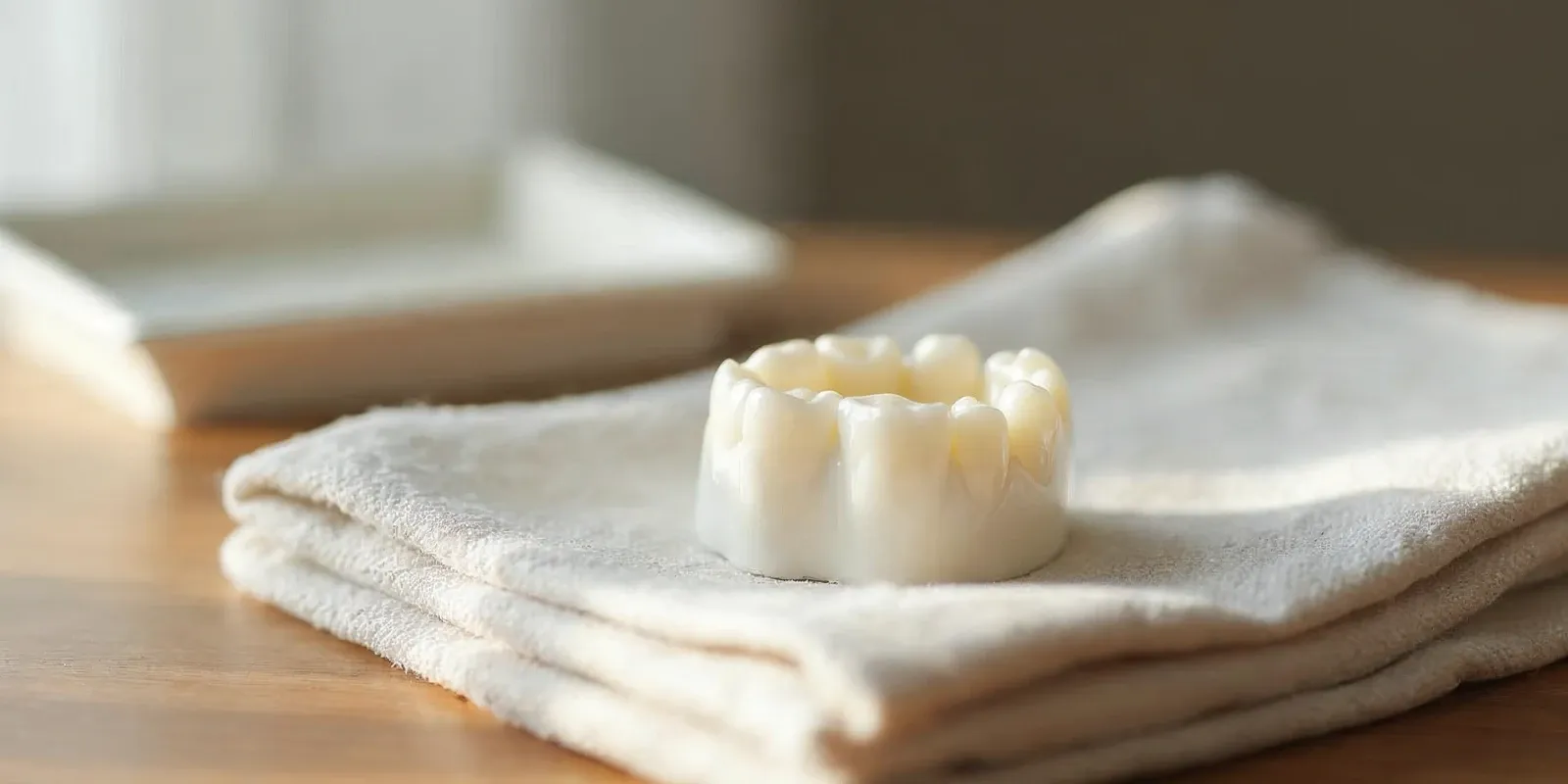
You have a tooth that needs a crown, and the material question comes up right away. If you are comparing a porcelain dental crown with other options, the real issue is how each material handles appearance, strength, and the tooth’s location in your mouth.
At San Francisco Aesthetic Dentistry, Dr. Aja Hall talks through those details during a crown visit, with the tooth’s condition guiding the recommendation. You can start with the practice’s dental crowns page if you want the service overview before your exam.
The material is not chosen in isolation. A front tooth, a back molar, a tooth that has had root canal treatment, and a tooth that still has a lot of natural structure can each point toward a different crown design.

When crown material matters most
Crown material becomes especially relevant when the tooth sits where people can see it, when chewing forces are high, or when the surrounding enamel gives the dentist limited room to work. In those cases, the question is not just how the crown looks on day one, but how it fits the tooth and the bite over time.
Some materials are selected for their color match, while others are used because they have a long track record under heavier chewing loads. In many cases, the final choice also depends on how much tooth remains after decay, fracture, or prior treatment.
During an exam, Dr. Aja Hall checks the tooth’s shape, bite contact, gum level, and surrounding teeth before discussing material options. The team then helps you understand which crown styles fit a front tooth, a back tooth, or a tooth that needs extra protection.
Common crown materials patients compare
When people ask about crown materials, they are usually comparing a few familiar categories. Each one has a different balance of appearance, strength, and how much natural tooth structure it may require.
Crowns can be made from several materials, including porcelain, ceramics, metal alloys, and porcelain fused to metal. That range matters because the right fit depends on the tooth, not on one material being universally best. The American Dental Association’s overview of crowns at MouthHealthy explains when a crown is used.
- All-ceramic or all-porcelain crowns, often chosen when appearance is a major concern
- Porcelain fused to metal crowns, which combine a metal base with a tooth-colored outer layer
- Gold alloy or other metal crowns, often considered for strength and wear resistance
- Resin crowns, sometimes used in limited situations and generally less durable than other materials
For a visible front tooth, a ceramic option is often discussed because it can be shaped and shaded to blend with nearby teeth. For a back molar, the discussion often shifts toward how the crown will handle biting forces during chewing.
If you want a broader look at how crown treatment is planned, our earlier article, what dental crowns do and when you need one, covers the part that matters before any material is selected, which is the tooth’s actual restorative need.
What a porcelain dental crown changes
A porcelain dental crown is usually discussed for its color and translucency. Those qualities make it a common topic for front teeth, where the crown needs to sit comfortably beside natural enamel without looking flat or heavy.
Porcelain also comes in different forms, and the term often gets used broadly. Some crowns are made of layered ceramic, while others use a stronger core with porcelain layered on top. That is why two patients can both hear the word porcelain and still be talking about different designs.
What porcelain does not change is the need for proper fit. A beautiful crown that does not meet the bite correctly can feel off when chewing, so the material discussion always sits next to measurements, contour, and how the upper and lower teeth come together.
How dentists think about front teeth and back teeth
Material choice often becomes simpler once the tooth’s position is clear. Front teeth usually place more weight on appearance, while back teeth place more weight on function and bite forces.
That does not mean the rules are absolute. A back tooth that shows when you smile may still need a more natural shade, and a front tooth that has been heavily damaged may need a design that supports more structure than a thin cosmetic shell would provide.
Here is what often influences the conversation:
Tooth location, front teeth usually demand more color matching, back teeth usually demand more chewing support.
Amount of remaining tooth, teeth with more healthy structure may allow more conservative designs.
Bite force, clenching and grinding can affect how different materials hold up.
Gum line visibility, crowns near the gumline need careful shade and contour planning.
Previous treatment, root canal treated teeth or teeth with large restorations may need added reinforcement.
Smile goals, some patients want the most lifelike appearance, while others prioritize a durable restoration in a less visible area.
If you are comparing crown options with other cosmetic treatments, our guide to porcelain veneers can help you see why a crown is a different restoration from a veneer, even when both aim for a natural look.
Questions that help narrow the choice
Patients often feel clearer once they ask a few practical questions during the exam. Those questions keep the conversation focused on the tooth in front of you, rather than on material names alone.
Ask how much natural tooth remains, whether the tooth is visible when you talk or smile, and whether your bite puts heavy pressure on the area. You can also ask whether the crown will cover a tooth that has had a root canal, because that changes the support the restoration may need.
It also helps to ask about maintenance. A crown material may be selected partly because it is easier to inspect, polish, or keep clean around the gumline, especially if the tooth sits in a tight space.
An in-person exam is the right setting for a material conversation, because it lets Dr. Aja Hall weigh function, visibility, and the tooth’s history together.
For some patients, the answer is a porcelain-based restoration. For others, a different ceramic blend or a metal-based design makes more sense for the tooth and the bite. The point is not to pick the same crown material for every mouth, but to match the crown to the tooth that needs it.
Crown material is only one part of that planning, but it is the part that often shapes how the final restoration feels day to day.
Our sister practice, One Dental Livermore, also walks through the different crown types and how dentists compare them in everyday care.
The next article covers what happens during a custom dental crown appointment, including the checks that affect how a crown fits.
Crown Materials at a Glance
A quick comparison of common crown material categories and the practical factors patients usually discuss during a crown exam.
All-ceramic or porcelain
Strong visual match, often used for front teeth and visible areas.
Porcelain fused to metal
Tooth-colored exterior with a metal base for support.
Metal alloy
Durable under heavy chewing, often considered for back teeth.
Resin
Used in limited cases, generally less wear-resistant than other options.
Main decision factors
Appearance, bite forces, remaining tooth structure, and tooth location.

“The right crown material is the one that fits the tooth’s job, the bite, and the smile in front of it.”
FAQ
Still have a Question? Contact Us
The common categories are all-ceramic or porcelain, porcelain fused to metal, metal alloy, and resin. Dentists compare them based on appearance, strength, and where the crown will sit in the mouth.
Porcelain-based crowns are often discussed for their natural color and translucency, especially on front teeth. The final look also depends on the shade match, tooth shape, and how the crown is designed at the margins.
Metal crowns are often considered for teeth that handle strong chewing forces, which is why back teeth are a common setting. That said, the tooth’s condition and the patient’s goals still guide the choice during the exam.
A tooth that has had a root canal may need a crown for structural support, and that can affect the material discussion. The dentist looks at how much tooth remains, how the tooth bites, and how visible it is.
No single material fits every tooth or every bite. The best option depends on location, function, and how much natural tooth structure is still present.
Conclusion
Crown material is less about a favorite option and more about matching the restoration to the tooth that needs it. A porcelain dental crown may be a strong part of the conversation for visible teeth, while other materials can make more sense where chewing force is greater or structure is limited.
Dr. Aja Hall looks at the tooth, the bite, and the surrounding smile before the material discussion is settled. That exam gives the conversation structure, which is what patients usually need when several crown types could work.
If you would like to talk through your crown options, you can use the contact page to reach San Francisco Aesthetic Dentistry and schedule a visit with Dr. Aja Hall.
More in this series
Share This:
Disclaimer
This media/content or any other on this website does not prescribe, recommend, or prevent any treatment or procedure. Therefore, we highly recommend that you get the advice of a qualified dentist or other medical practitioners regarding your specific dental condition.