
Dental Implant
Implant-Supported Dentures for Better Stability
by Dr. Aja
August 5, 2026
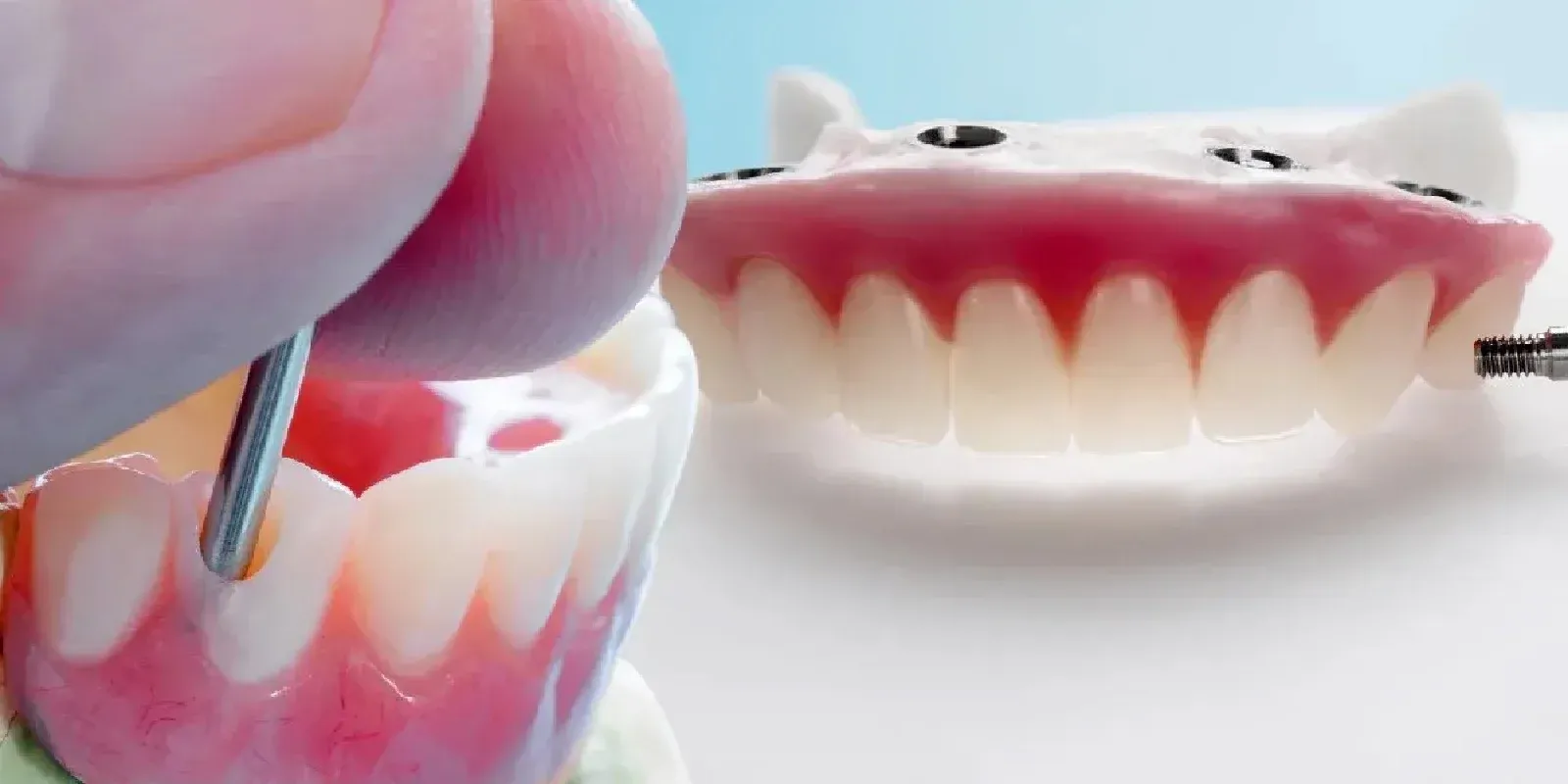
Living with loose or unstable dentures can make everyday moments more challenging than many people expect. A simple meal, a conversation with friends, or even smiling for a photo may become a source of concern if dentures slip or shift unexpectedly. While traditional dentures help replace missing teeth, some patients continue to look for a solution that offers greater stability, improved comfort, and increased confidence throughout the day.
Implant-supported dentures in Sans Francisco are designed to provide additional support by securing the denture to dental implants placed in the jawbone. Rather than relying solely on suction or adhesive, this treatment creates a more stable foundation for chewing, speaking, and smiling. Understanding how implant-supported dentures work, who may benefit from them, and what the treatment involves can help patients make informed decisions when exploring tooth replacement options.

Why Loose Dentures Affect Daily Comfort
Loose dentures can make everyday activities more challenging than many people expect. Simple tasks such as eating a favorite meal, speaking during a meeting, or smiling confidently in social situations may become a source of worry if dentures shift or feel unstable. Some patients begin avoiding certain foods because they are difficult to chew, while others feel self-conscious about dentures clicking or slipping during conversations. Over time, these concerns can affect not only daily comfort but also overall confidence and quality of life.
One common reason dentures become loose is that the mouth naturally changes after teeth are lost. The jawbone and gums gradually remodel over time, which can reduce the fit and stability of a denture that once felt comfortable. Even a well-made denture may require periodic adjustments or relining to accommodate these changes. When the denture no longer fits securely, everyday functions such as chewing, speaking, and laughing may become less predictable, prompting many patients to explore more stable tooth replacement options.
Implant-supported dentures are designed to provide added stability by using dental implants as secure anchors within the jawbone. Rather than relying primarily on suction or denture adhesive, the denture connects to implants that help keep it in place during daily activities. This additional support may improve chewing efficiency, reduce unwanted movement, and help patients feel more comfortable and confident while eating, speaking, and smiling.

How Implant-Supported Dentures Work
Implant-supported dentures use dental implants placed in the jawbone to help hold a denture more securely. The implants act like artificial tooth roots, creating support below the gumline. Once the implants have healed and become stable, the denture is designed to connect with the implant system. Depending on the patient’s needs, the denture may be removable for cleaning or fixed in place by the dental team. This added support can help reduce slipping and improve daily comfort.
Once the healing process is complete, a custom denture is designed to attach to the implant system. Depending on the patient's oral health, treatment goals, and lifestyle, the denture may be removable for daily cleaning or fixed in place by the dental team. Because the denture is supported by implants rather than relying mainly on suction or adhesive, patients often experience improved stability during eating, speaking, and smiling. This secure foundation can also provide a more natural feel and greater confidence in everyday activities.
Benefits of Implant-Supported Dentures
Implant-supported dentures may help patients who feel limited by traditional removable dentures. They are designed to create a stronger connection between the denture and the mouth, which can make chewing and speaking feel more controlled. This can be especially helpful for patients who avoid certain foods, feel nervous in public, or worry about dentures shifting at the wrong time. By improving stability, implant-supported dentures can support both daily function and emotional confidence.
Common benefits may include:
- Better denture stability during eating and speaking.
- Reduced slipping compared with traditional removable dentures.
- Improved confidence when smiling, laughing, or talking.
- Stronger support for patients missing several or all teeth.
- A more secure foundation for daily chewing comfort.
Who May Be A Good Candidate
Sans Francisco Implant-supported dentures may be considered for patients who are missing several or all of their teeth, wear loose dentures, or struggle with denture movement despite using adhesive. Some patients choose this option because they want greater stability and chewing comfort without replacing every missing tooth with an individual implant. A comprehensive consultation helps determine whether the jawbone, gums, bite, and overall oral health can support implant treatment. Your dentist will also discuss your smile goals, lifestyle, and the type of restoration that may best meet your needs.
Not every patient can begin implant-supported denture treatment immediately. Some individuals may require gum therapy, tooth extractions, bone grafting, or additional planning before implants can be placed. Factors such as overall health, smoking, teeth grinding, and oral hygiene habits may also influence treatment recommendations. According to the American Academy of Periodontology, adequate gum health and sufficient jawbone support are important considerations for successful dental implant treatment, making a thorough evaluation an essential first step before moving forward.
Implant-Supported Denture Evaluation
| What Your Dentist Reviews | Why It Matters |
|---|---|
| Current denture fit | Shows whether slipping, soreness, or looseness is affecting daily comfort. |
| Gum health | Healthy gums help support healing and long-term implant maintenance. |
| Jawbone support | Implants need enough bone structure to create a stable foundation. |
| Bite balance | Helps reduce uneven pressure on the implant-supported denture. |
| Number of missing teeth | Helps determine whether partial or full-arch denture support is needed. |
| Cleaning routine | Implant-supported dentures need consistent care and regular dental visits. |

"Studies show that implant-supported overdentures significantly improve denture stability, chewing ability, and patient satisfaction compared with conventional dentures."
FAQ
Still have a Question? Contact Us
They are dentures supported by dental implants to improve stability, comfort, and chewing confidence.
Conclusion
Implant-supported dentures can provide a more secure and stable alternative for patients who struggle with loose or uncomfortable traditional dentures. By using dental implants to support the denture, this treatment may improve chewing ability, speech, comfort, and overall confidence while helping create a stronger foundation for everyday function. Every patient has unique oral health needs, so the most appropriate treatment depends on factors such as gum health, jawbone support, bite alignment, and long-term smile goals. A comprehensive dental evaluation can help determine whether implant-supported dentures are the right solution for your individual needs.
Contact your dentist in San Francisco, Dr. Aja Hall, at San Francisco Aesthetic Dentistry today to learn more about implant-supported dentures for better stability.
Resource
Share This:
Disclaimer
This media/content or any other on this website does not prescribe, recommend, or prevent any treatment or procedure. Therefore, we highly recommend that you get the advice of a qualified dentist or other medical practitioners regarding your specific dental condition.